

new, fresh cannabis drops
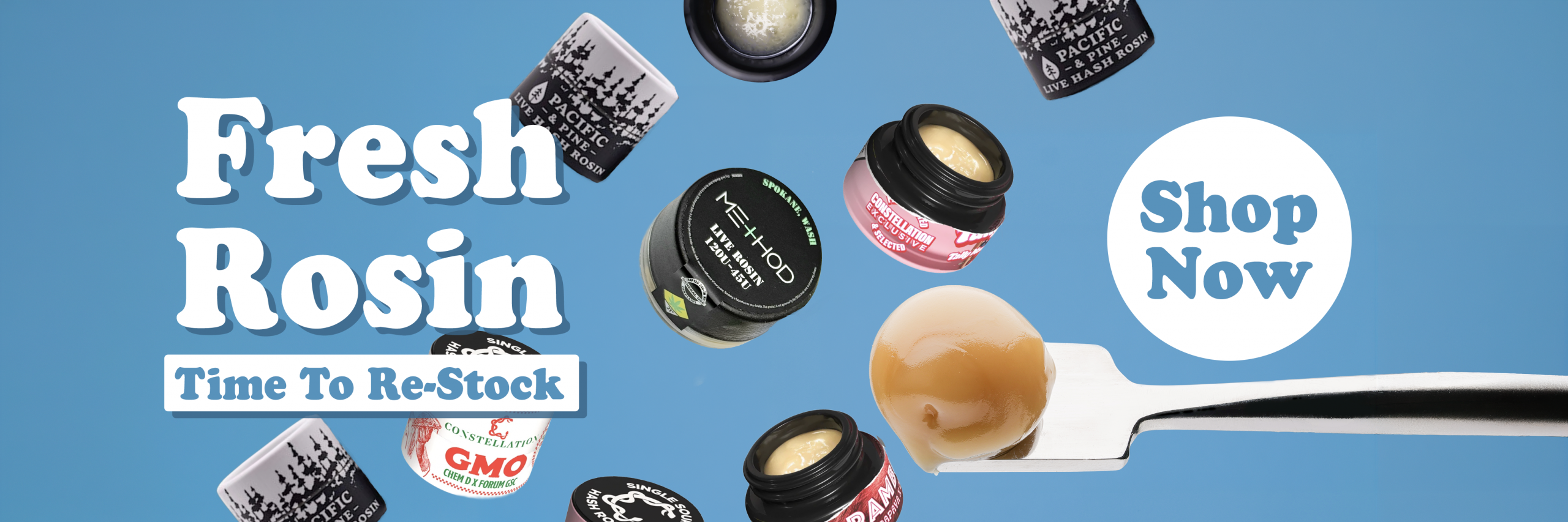
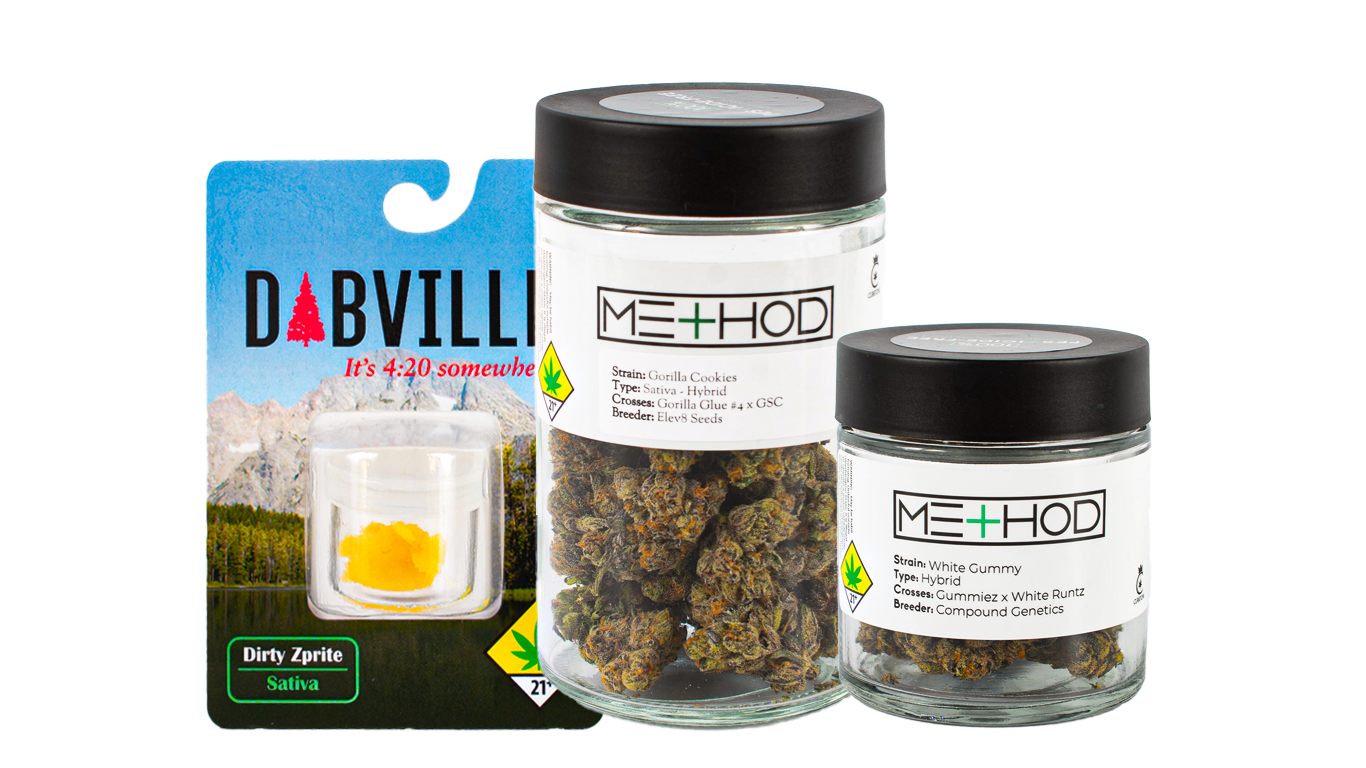
new rosin from CONSTELLATION – PACIFIC & PINE – METHOD

HIGH END UPDATES
Recieve Product Updates, Store Deals and more!
Weekly Deals
Try Something New Every Day!

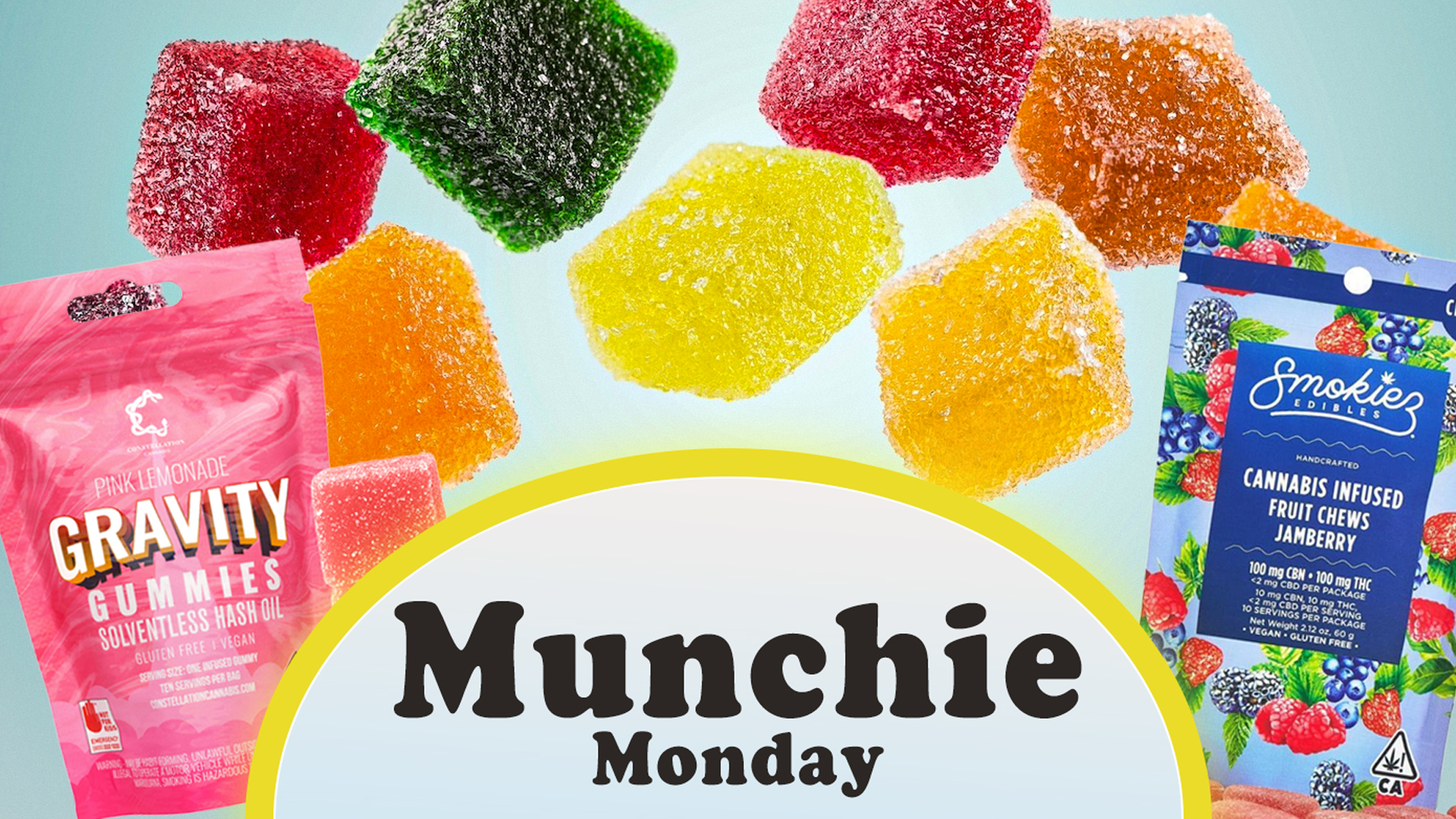


Popular Brands
Tap to see products!
Daily Menu Updates
Adding Products Every Day!


Find US
Tap the map for directions!
UPDATES + EVENTS + NEW DROPS
Check back for frequent updates!
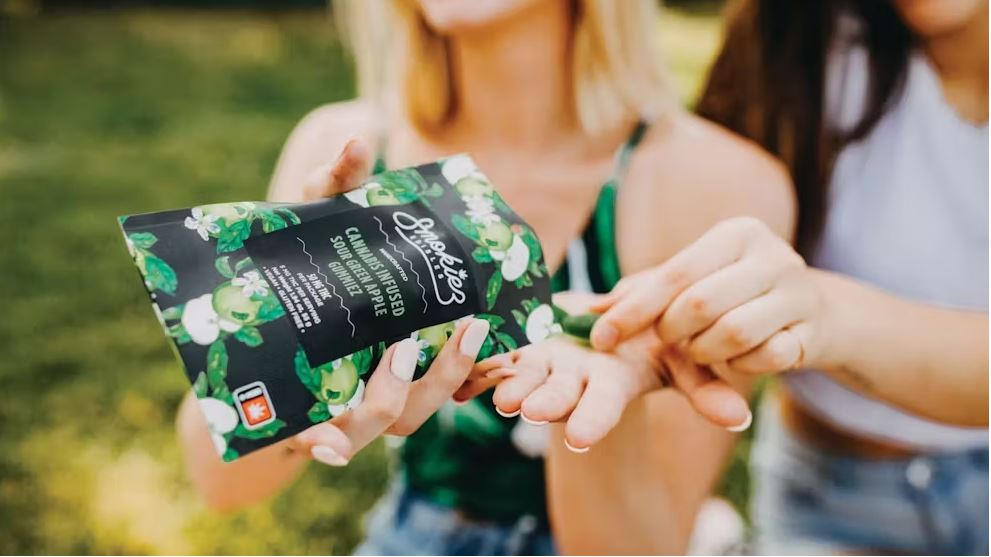
Cannabis Edibles Take Center Stage in the Pacific Northwest
The Pacific Northwest has long been known for its craft culture—coffee, beer, food—but now it’s also making waves for another specialty: high-quality cannabis edibles. Across Oregon and Washington, more people are choosing edibles as their preferred way to enjoy cannabis. From flavor-packed gummies to wellness-focused blends, these products are evolving fast, and the region’s dispensaries are keeping pace.
Gummies Lead the Way
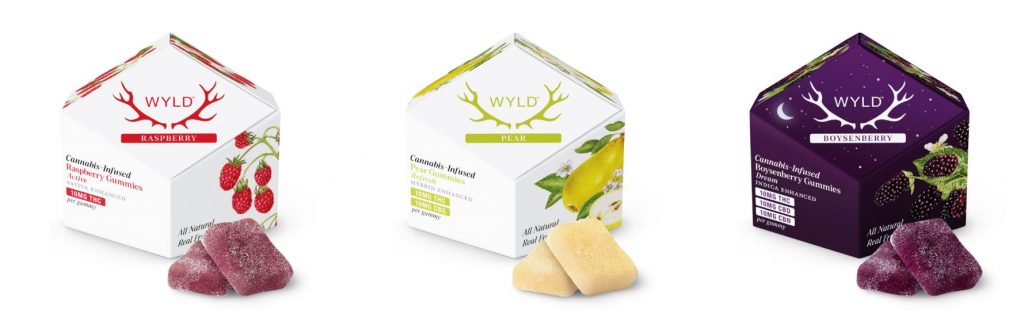
When it comes to edibles, gummies are the undisputed favorite in the PNW. In Oregon, the best-selling products are consistently gummies—especially balanced blends that combine THC with other cannabinoids like CBD and CBN. One standout is a 1:1:1 indica boysenberry gummy from Wyld, delivering equal parts CBD, CBN, and THC, along with fruity favorites like strawberry lemonade and sour peach mango (Headset). They’re portable, discreet, and easy to dose, making them a top choice for both beginners and seasoned cannabis consumers.
The Rise of CBN and Sleep-Focused Edibles
Beyond classic THC products, CBN-infused edibles are quickly becoming a staple. Known for its calming and sedative properties, CBN is gaining attention as a natural sleep aid. In California, the share of edibles containing CBN jumped from 4% in 2020 to 25% in 2025—a massive 525% increase (SF Gate). While PNW-specific data is still emerging, many Oregon and Washington dispensaries are already stocking nighttime gummies and CBN blends alongside their traditional offerings.
Oregon’s Market Innovation
Oregon’s cannabis market may be mature, but it’s far from slowing down. Annual retail cannabis sales hover around $960 million, with monthly totals between $80–95 million (FundCanna). In such a competitive space, dispensaries are constantly innovating to stand out—offering small-batch edibles, unique flavor profiles, and sustainably packaged options. Oregon shoppers have come to expect transparency about ingredients, detailed lab testing results from producers, and high-quality formulations.
Washington’s Steady Edible Demand
While Washington’s overall cannabis sales have dipped from their pandemic highs, edibles continue to perform well. As of mid-2025, the average price for a 10 mg edible is about $12.19, a slight decrease but still stable (Headset). This consistency shows that demand for regulated, convenient, and smoke-free cannabis products remains strong in Washington’s dispensaries, even in a shifting economy.
What You Should Know as a Customer
If you’re curious about edibles or already enjoy them, here are some important things to keep in mind when shopping in the Pacific Northwest cannabis market:
Start Low, Go Slow
Edibles can take anywhere from 30 minutes to 2 hours to take effect, depending on your metabolism, tolerance, and whether you’ve eaten recently (Wikipedia). Begin with a low dose—5 to 10 mg of THC is enough for most people—and wait before taking more.
Understand Cannabinoid Blends
Different cannabinoids work together in unique ways. THC provides the classic high, CBD can help with balance and relaxation, and CBN may enhance sleepiness. Check the ratios on the label so you know what kind of experience to expect.
Read Labels and Ask Questions
Producers in Oregon and Washington are required to have their cannabis products tested by licensed labs before they reach the market. The dispensary you buy from should be able to show you the producer’s lab results and explain what’s in your edible.
Choose Products That Fit Your Lifestyle
While gummies are popular for portability and ease of dosing, you might prefer chocolates, mints, or beverages. Explore different formats to find what works best for you.
Support Local and Trusted Brands
Buying from licensed dispensaries ensures you’re getting products that have gone through proper testing and regulatory compliance, while also supporting local growers and producers.
The Future of Edibles in the PNW
The Pacific Northwest edible scene is more creative and diverse than ever. Whether you want a flavorful treat, a discreet way to enjoy cannabis, or a functional edible for wellness, there’s something for everyone at your local dispensary. As innovation continues—especially in CBN sleep aids, wellness blends, and sustainable production—edibles are set to remain a major part of the cannabis experience in Oregon and Washington.
At High End Marketplace, we’re committed to helping customers navigate their options with confidence. Whether you’re brand new to edibles or a longtime fan, our goal is to connect you with the best products and knowledge the Pacific Northwest has to offer.

Washington’s Cannabis Social Equity Program Nears Major Milestone: What Dispensary Applicants Should Know
Washington’s Cannabis Social Equity Program registration window officially ran from June 2 to July 1, 2025, allowing eligible individuals to register for one of 52 available cannabis retail licenses, exclusively designated for social equity dispensary applicants (omwbe.wa.gov).
How Many Applicants & What Next?
While official figures on total registrations aren’t published, a summary of the June 4, 2025 LCB meeting reported 182 applicants had registered as of the start of the window (cannabis.observer). No credible source supports the earlier claim of 880 applicants. Therefore, it’s more accurate to note that hundreds registered between June 2 and July 1—not 880.
Who Manages Application Processing?
Once registration closed, Washington’s Liquor and Cannabis Board confirmed that only Alta Point Consulting, LLC (a Seattle-based firm with over 40 years of experience and a 400‑person consultant network) is authorized to handle applicant eligibility review and scoring under WAC 314‑55‑570. They reached this role in early 2025 and have already begun emailing registrants with instructions for submission and scoring procedures (cannabis.observer).

Selection & Licensing Process Overview
- Alta Point evaluates registrants’ documentation and applies a scoring rubric.
- If needed, a double-blind lottery resolves ties among top-scoring applicants.
- LCB then notifies the highest scorers and invites them to apply for the actual retail license via Washington’s Business Licensing Services (BLS).
- Applicants are assigned an LCB licensing specialist, who guides them through phone interviews and documentation review (lcb.wa.gov, lcb.wa.gov).
Social Equity Eligibility Criteria
An individual must control at least 51% of the business and meet two or more of the following conditions:
- Lived for at least five cumulative years between 1980 and 2010 in a disproportionately impacted area (DIA).
- Has a cannabis-related arrest or conviction (or is a family member of such).
- Household income below Washington’s median.
- Meets the definition of socially and economically disadvantaged under state law (RCW 39.19) (apnews.com, cannabissciencetech.com).
What Applicants Should Expect Next
If you registered during the window:
- Watch for emails from Alta Point Consulting requesting supporting documents.
- Be prepared to demonstrate proof of eligibility criteria, such as past convictions, residency in disproportionately impacted areas, or low household income.
- Monitor updates on the LCB website or subscribe to their newsletter for status changes and scoring timelines.
If you didn’t apply but are engaged in the cannabis or dispensary space, this is a good time to:
- Network with incoming licensees for collaboration opportunities.
- Stay ahead of market changes in areas receiving new licenses.
- Reevaluate your business strategy based on shifts in regional competition.
A Turning Point for Cannabis Equity in Washington
While many past equity programs in other states have struggled with slow rollouts, legal hurdles, or underfunding, Washington’s 2025 push appears more organized and transparent. With Alta Point Consulting onboard and direct outreach now underway, applicants and observers alike should stay engaged as the process unfolds.
This may be the most significant equity-focused cannabis licensing effort the Pacific Northwest has seen to date—and its ripple effects could reshape how dispensaries operate across the state.
For more updates on Washington’s evolving cannabis landscape, visit High End Marketplace or follow the LCB’s social equity updates

Oregon Has Spent $46 Million Fighting Illegal Cannabis—Is It Working?
A Deep Dive into Enforcement, Oversupply, and the Ongoing Challenges Facing Licensed Dispensaries
Oregon’s cannabis market has long been hailed as a pioneer in legal production and retail. But behind the dispensary counters and licensed greenhouses lies a growing challenge: illegal cultivation and processing operations that continue to undermine the legal market. As of July 2025, the state has spent more than $46 million since 2018 trying to rein in unlicensed cannabis activity. Yet a new report raises a critical question—has any of it worked?

The Scale of the Crackdown
The funds were funneled into a program managed by the Oregon Criminal Justice Commission, aimed primarily at law enforcement agencies in southern Oregon counties such as Jackson, Josephine, and Klamath. These regions became ground zero for unlicensed operations following the legalization of recreational cannabis in 2015.
Local sheriff’s departments used the money to fund code enforcement, property inspections, and raids on illegal grows. Some of the grants also supported environmental cleanup efforts for sites damaged by unregulated cultivation practices, including chemical runoff and unpermitted water use.
Despite the extensive spending, a July 2025 review by InvestigateWest revealed a significant gap in impact measurement. State agencies involved in the grant program were unable to determine whether the efforts had meaningfully reduced Oregon’s illegal cannabis market.
Source: InvestigateWest – Oregon’s Costly Cannabis Crackdown
Why Enforcement Is Not Enough
While law enforcement agencies have removed thousands of plants and executed dozens of raids, the root issue lies deeper—Oregon’s legal cannabis market is chronically oversupplied. Licensed growers have consistently produced more cannabis than the retail system can absorb, leading to historic price drops across dispensaries.
This economic pressure has created incentives for some growers—especially those unable to compete with plummeting prices—to divert products to the illicit market or abandon licensing altogether. Without structural market reforms, enforcement alone may not reduce illegal activity.
Impacts on Dispensaries
For licensed dispensary operators, the persistence of illegal grows is more than a legal issue—it’s a direct economic threat. Unlicensed cannabis, grown and processed without regulatory oversight or tax obligations, undercuts dispensary pricing and makes it difficult for legitimate businesses to remain profitable.
Many dispensary owners have called for more consistent enforcement, but also greater transparency in how state funds are used and whether they’re making a measurable impact. Without that data, it becomes difficult to justify continued funding or to advocate for policy adjustments that better protect the legal industry.
What Comes Next?
The Oregon Liquor and Cannabis Commission (OLCC) and lawmakers face pressure to reassess the state’s cannabis enforcement strategy. Key questions remain unanswered:
- How can Oregon balance enforcement with market reform?
- Are tax-funded programs being tracked effectively?
- Should the state impose stricter production limits to reduce oversupply?
Until these issues are addressed, the legal cannabis market—and the dispensaries operating within it—will continue to face headwinds from both market forces and regulatory uncertainty.
Final Thoughts
Oregon’s $46 million investment in curbing illegal cannabis operations reflects a serious attempt to protect the integrity of its legal industry. But with no clear evidence of success, it may be time to shift focus from enforcement alone to broader market solutions that support both compliance and competitiveness. For dispensaries navigating this evolving landscape, adaptability and advocacy will be critical.

Label Accuracy at Dispensaries Is Becoming a Critical Issue in the U.S. Cannabis Trade
Label accuracy is quickly becoming one of the most urgent topics in the U.S. cannabis industry—especially at the dispensary level. A 2025 study from the University of Colorado Boulder found that nearly half of cannabis flower products in Colorado dispensaries overstated THC levels, sparking industry-wide concern (source).
This issue impacts everything from consumer trust to regulatory compliance, and it’s forcing dispensaries across the country to take a closer look at how they label, market, and test their products.
Consumers Rely on Labels—But Many Are Misleading
For most cannabis users—especially medical patients—label accuracy is critical. Shoppers depend on accurate THC percentages to understand potency and dose appropriately.
But as shown in the Colorado study, some testing labs may inflate THC levels to boost a product’s marketability. That leads to:
- Inconsistent effects
- Overpriced flower
- And a decline in consumer trust
Experts suggest that labels should reflect full cannabinoid profiles, including CBG and CBGA, to give a more honest representation of what’s in the product (source).

The Stakes Are Rising as the Industry Grows
The U.S. cannabis market is expected to top $45 billion in 2025—with dispensaries driving that growth (source).
But growth comes with scrutiny. In states like Connecticut and Washington D.C., enforcement actions are increasing. Regulators are cracking down on:
- Mislabeled cannabis products
- Unlicensed or noncompliant dispensaries
- “Gifting” shops operating outside of legal limits
(CT source, D.C. source)
Could Federal Rescheduling Bring More Oversight?
With cannabis likely to be reclassified from Schedule I to Schedule III, dispensaries may soon benefit from:
- Access to banking
- Expanded research opportunities
- Reduced tax burdens
But that future depends on tighter quality control—and clear labeling is central to that shift (source).
What Cannabis Dispensaries Are Doing to Adapt
Forward-thinking dispensaries are already taking steps to improve transparency and protect their reputations:
- Partnering with state-accredited testing labs
- Publishing third-party results online
- Offering education in-store and on product pages
- Posting batch numbers and full cannabinoid profiles
These actions not only boost customer confidence—they also serve as a competitive SEO advantage.
Pro Tip: Use Label Transparency to Boost SEO
If you’re managing a dispensary website, creating content around cannabis and dispensary labeling can drive search traffic and build authority. Great content ideas include:
- “How to Read Cannabis Dispensary Labels”
- “Why THC Levels May Be Misleading”
- “What to Know About Full-Spectrum Cannabis”
By linking to credible sources and addressing real consumer concerns, your dispensary can stand out in search results and in-store.
5 Tips for Better Labeling Practices
- Display lab results for every batch.
- Include more than just THC—highlight other cannabinoids.
- Use verified labs with clear methodologies.
- Educate customers on what they’re actually consuming.
- Stay ahead of state and federal regulatory changes.
Final Thoughts
As the cannabis industry matures, label accuracy is no longer optional—it’s essential. For dispensaries, it’s the difference between customer loyalty and liability. For consumers, it’s about trust and safety.
Dispensaries that prioritize transparency and educate their customers will not only stay compliant—they’ll lead the market.
For more cannabis retail insights and compliance solutions, visit us at High End Marketplace.

Pacific & Pine Cannabis: Sustainable Craft Cannabis from Washington State
If you’re searching for cannabis brands rooted in sustainability, quality, and Pacific Northwest values, look no further than Pacific & Pine Cannabis. This all-natural line of flower and concentrates is cultivated in Eastern Washington’s Upper Columbia Basin and has earned a reputation for environmentally responsible, craft cannabis production.
Origins & Story
Pacific & Pine has been growing cannabis commercially since 2015 under Washington’s Initiative 502. Based in the high plains of the Upper Columbia Basin, the family-owned farm prides itself on stewarding native soil and minimizing environmental impact. Their methods emphasize organic cultivation, biodiversity, and soil health through composting, cover cropping, and water-saving drip irrigation beneath biodegradable mulch. Learn more on their official website here.

Cultivation Practices
Their process begins with native soil enriched only with organic compost and PICOL-approved pest management—no synthetic salts or growth regulators. Pacific & Pine’s team embraces biodiversity by incorporating companion planting, cover crops, and beneficial insects as part of their natural pest control system. This regenerative approach fosters ecosystem health and avoids reliance on chemical treatments.
Products & Offerings
Pacific & Pine offers a diverse line of cannabis products, including flower in various sizes—1 g, 3.5 g, 7 g, 14 g, and 28 g. They also produce small-batch solventless concentrates, including rosin, as well as infused pre-rolls under the PineCones label. Products like Laughing Gas × Hells Angels OG highlight their focus on unique strain combinations and hand-crafted processing.
Each product reflects their commitment to quality, from hand trimming to careful curing, delivering a rich consumer experience through flavor and texture.
A Focus on Sustainability
Sustainability is central to Pacific & Pine’s mission. All plant and soil waste is composted and reused in the growing cycle. Their water-efficient drip irrigation system, biodegradable mulch, and rejection of synthetic pesticides reflect their strong environmental values. These practices position them as leaders in Washington’s growing community of eco-conscious cannabis producers.
Why Pacific & Pine Matters
In an era when much of the cannabis industry is moving toward large-scale, industrial operations, Pacific & Pine remains firmly rooted in craft production. Their hands-on methods, commitment to clean inputs, and stewardship of the land set them apart as one of Washington’s most respected and responsible cannabis farms.
Looking to explore more exceptional cannabis brands like Pacific & Pine? Visit us at www.highendmarketplace.com for a curated selection of Washington’s finest cannabis products, available right here in Vancouver, WA.

The Top 5 Cannabis Strains in the U.S. (2025)
Looking to upgrade your stash? Whether you’re craving a boost of creativity, deep body relaxation, or just want to smoke what everyone’s talking about, these five cannabis strains are dominating the U.S. market in 2025. Based on real sales data, fan favorites, and knockout terpene profiles—these are the ones lighting up the charts.
1. Lemon Cherry Gelato
Type: Slight indica-dominant hybrid (60/40)
Terpenes: Caryophyllene, Limonene, Linalool, Myrcene
Why it’s hot right now: This fruity dessert strain delivers uplifting euphoria followed by soothing relaxation—ideal for anxiety, stress, or creative chill sessions. THC hovers around 20–28% .
2. Pineapple Fruz
Type: Slight indica-leaning hybrid (~60/40)
Terpenes: Limonene, Caryophyllene, Myrcene, Pinene, Terpineol
Why it’s trending: Its tropical-pineapple flavor profile matches a potent 28–32% THC punch—energizing, happy, and great for social or calming daytime buzz .

3. Gary Payton
Type: Balanced hybrid
Terpenes: (Not widely listed yet; commonly earthy-diesel profile)
Why it’s gaining buzz: Named after “the glove” himself, this strain delivers smooth, clear-headed focus with mellow muscle relaxation—popular among both recreational and medical users .
4. Gelonade
Type: Daytime hybrid (Gelato41 × Lemon Tree)
Terpenes: Expect citrus-forward Limonene, complemented by sweet terpenes like Myrcene or Linalool
Why consumers love it: Mangy sweetness with a lemon zing—leaf reports place Gelonade among Leafly’s Best Strains for Spring 2025, delivering functional and creative clarity .
5. RS‑11 (Rainbow Sherbet #11)
Type: Balanced hybrid (Zkittlez × OG Kush)
Terpenes: Flavors are fruity-candy; likely Limonene and Caryophyllene heavy (consistent with parent strains)
Why it’s making waves: Coast-to-coast favorite in 2025 thanks to candy-sherbet flavor and a smooth, social high—perfect hybrid for relaxed creative vibes .
Honorable Mentions (Old-School Legends)
- Blue Dream: Blueberry aroma with balanced uplift and relaxation, still a top seller and SEO staple.
- OG Kush / OG #18: Earthy-pine classic with Cannabis Cup wins and strong sales presence.
- GG4 (Gorilla Glue #4): Heavy resin, 30% THC, deep body high—great for evening use and stress relief.

Oregon’s SB 558 Opens the Door for Cannabis Sampling and Collaboration
Major regulatory changes are coming to Oregon’s cannabis industry—and they’re designed to encourage collaboration, product education, and innovation. In early June 2025, Governor Tina Kotek signed Senate Bill 558 (SB 558) into law. This bill gives licensed cannabis producers, processors, wholesalers, and retailers more flexibility to legally share product samples at industry events and among themselves.
The law takes effect in two stages: the majority of provisions go live on September 28, 2025, while allowances for trade samples begin January 1, 2026.
Here’s a closer look at what this means for Oregon’s cannabis professionals—and why it matters for the future of the Pacific Northwest cannabis market.
What SB 558 Changes
Senate Bill 558 introduces key updates to Oregon’s cannabis regulations by allowing:
- Licensed cannabis events to include the legal distribution of samples among licensees and event workers
- Wholesalers to transfer samples to retailers directly during events, simplifying logistics and reducing post-event handling
- Producers to share cannabis with each other without requiring shared ownership or corporate ties
- Seed and immature plant transfers to authorized individuals for research and educational use within regulated limits
- OLCC-tracked sample activity, ensuring compliance through quantity controls and participant restrictions
You can read more details about SB 558 and the rule rollout from Harris Sliwoski LLP.

Why It Matters for Oregon’s Cannabis Industry
Oregon has long been a leader in cannabis policy, and SB 558 continues that tradition by addressing long-standing industry needs while maintaining a strong regulatory framework. This legislation has the potential to benefit all levels of the supply chain.
Improved Product Education
Under SB 558, budtenders and retail staff will gain access to legally distributed product samples. This supports more informed recommendations, strengthens product knowledge, and enhances the overall customer experience.
Increased Collaboration Among Producers
Prior to SB 558, producers were restricted from sharing cannabis unless they had an ownership connection. That requirement is now lifted, allowing small and large operators alike to collaborate more freely—whether through strain development, comparative testing, or product development.
Simplified Logistics at Events
Trade shows, educational sessions, and vendor days will become significantly easier to manage. Wholesalers and retailers can legally exchange samples onsite, reducing the friction previously caused by transportation and post-event arrangements.
Support for Research and Cultivation
Legal transfer of seeds and immature plants creates new opportunities for educational institutions, breeders, and cultivators to test new genetics and drive product innovation, all while remaining compliant with OLCC oversight.
What Comes Next
Here is a breakdown of the SB 558 rollout:
| Effective Date | Provision Introduced |
|---|---|
| September 28, 2025 | Legal sampling at events, inter-producer transfers |
| January 1, 2026 | Trade sample transfers between licensees and permitted staff |
The Oregon Liquor and Cannabis Commission (OLCC) is expected to release detailed administrative rules regarding event registration, sampling limits, and product tracking in the coming months.
SB 558 represents a significant and thoughtful step forward for Oregon’s cannabis sector. By facilitating legal product sampling and inter-licensee cooperation, the state is promoting a more informed, innovative, and connected industry.
As businesses begin preparing for the changes ahead, it’s clear that Oregon is once again positioning itself at the forefront of cannabis regulation—not just in the Pacific Northwest, but nationwide.
For cannabis professionals, retailers, and consumers alike, this legislation is more than a regulatory shift—it’s a clear signal that smarter, more collaborative practices are the path forward.
Stay tuned for updates from the OLCC as we move closer to implementation.
YOUR PREFERRED MARIJUANA DISPENSARY
At HEMP we proudly serve both recreational and medical customers. In 2016, High End Market Place was the first cannabis dispensary to be licensed under the new WA State Department of Health medical marijuana program. Since then, we have registered thousands of patients, and have given them access to the highest quality, most ethically sourced cannabis products in the market. Our store is truly Vancouver’s one stop for the best Cannabis Dispensary.