

new, fresh cannabis drops
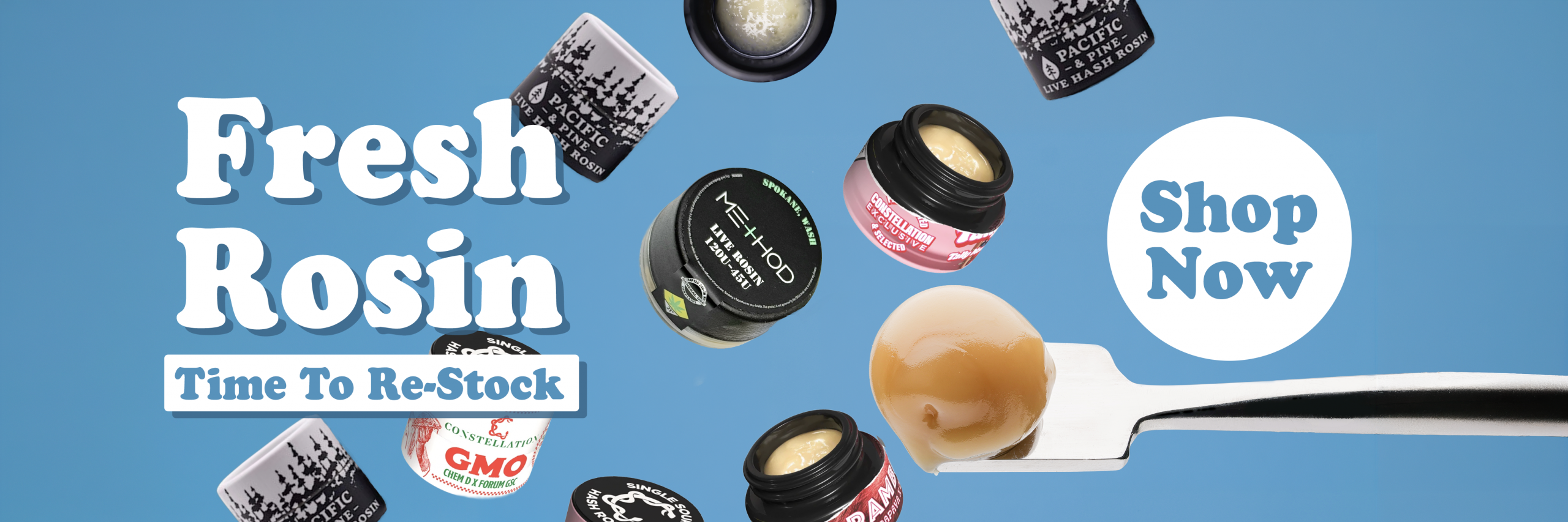
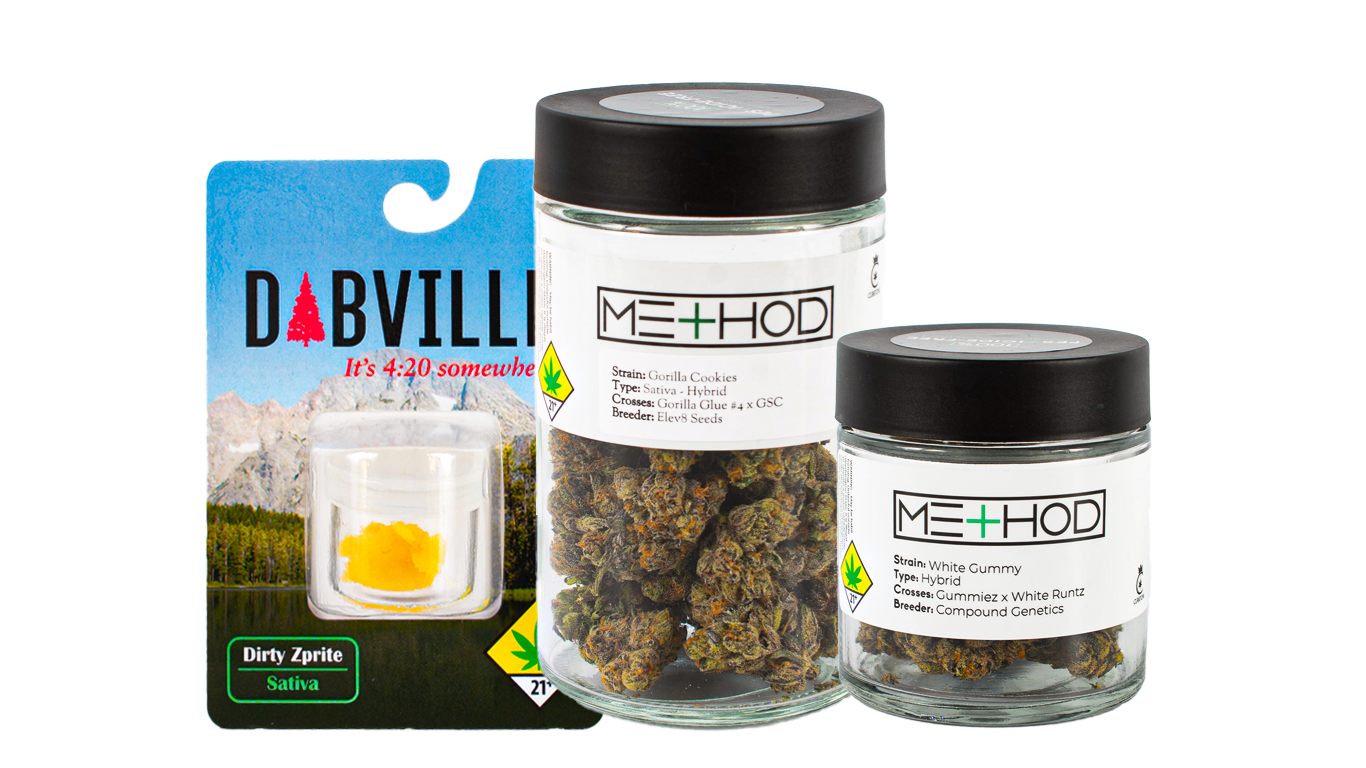
new rosin from CONSTELLATION – PACIFIC & PINE – METHOD

HIGH END UPDATES
Recieve Product Updates, Store Deals and more!
Weekly Deals
Try Something New Every Day!

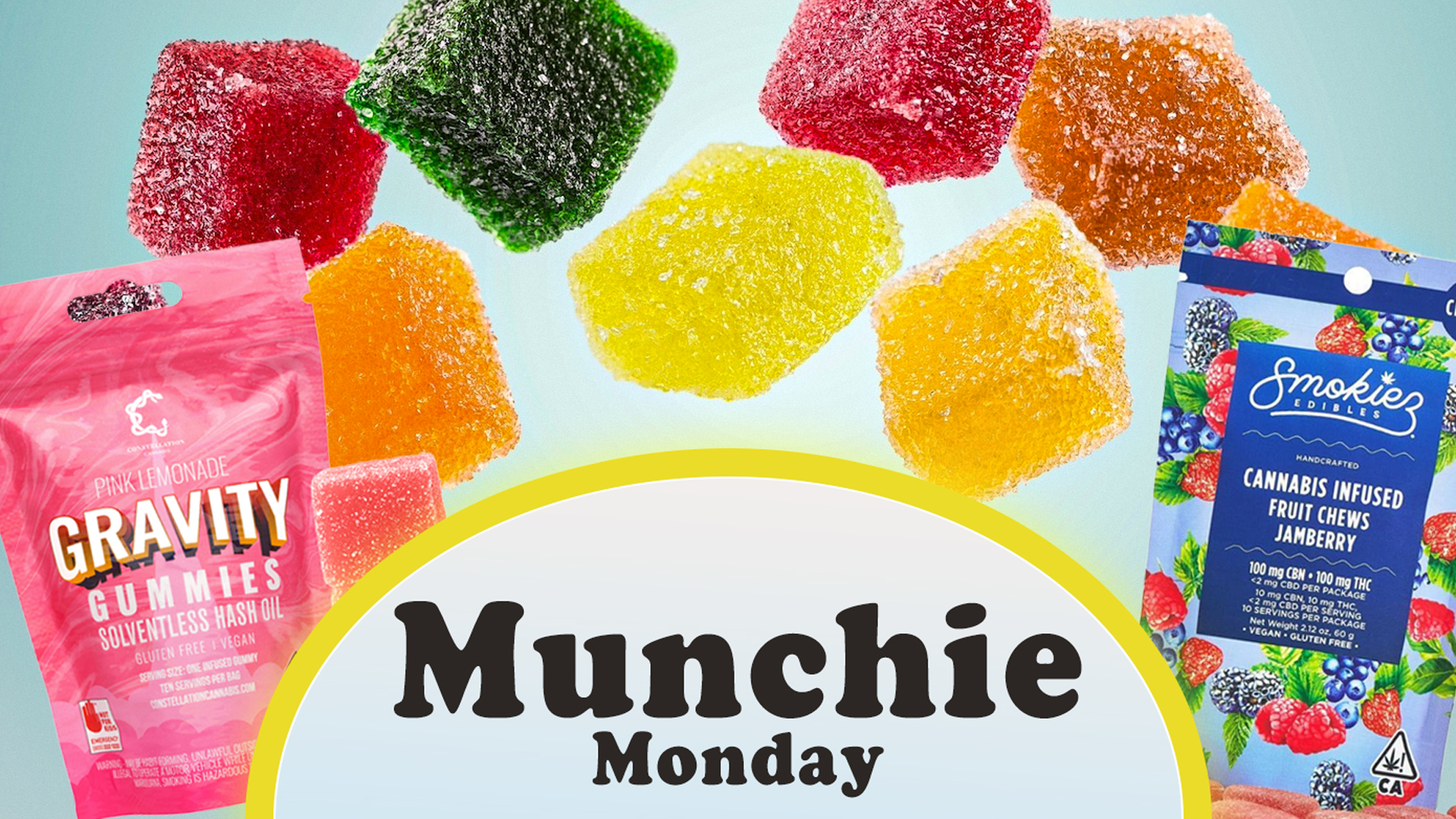


Popular Brands
Tap to see products!
Daily Menu Updates
Adding Products Every Day!


Find US
Tap the map for directions!
UPDATES + EVENTS + NEW DROPS
Check back for frequent updates!

Exploring the Excellence of SVÍN Gardens
When it comes to premium cannabis in Washington State, few producers can match the dedication and quality of SVÍN Garden. Known for their meticulous cultivation methods, diverse product offerings, and unwavering commitment to excellence, SVÍN Garden has become a trusted name in the cannabis community. At High End Market Place in Vancouver, WA, we’re proud to carry their exceptional products and share their story with our customers.
The Art of Growing Cannabis at SVÍN Garden
SVÍN Garden approaches cannabis cultivation as both a science and an art. Based in Stanwood, Washington, their team is dedicated to growing cannabis under the highest standards. Utilizing advanced techniques and sustainable practices, SVÍN Garden prioritizes quality over quantity to ensure every plant reaches its full potential.
Their growing process begins with carefully selected genetics, chosen for their potency, flavor, and unique terpene profiles. By maintaining a controlled environment, SVÍN Garden optimizes light, temperature, humidity, and nutrients to mimic each strain’s ideal conditions. This attention to detail results in consistent, high-quality cannabis that stands out in Washington’s competitive market.
A Diverse Lineup of Premium Cannabis Products
SVÍN Garden takes pride in offering a wide range of cannabis products, catering to both connoisseurs and casual users. Their selection includes premium flower, pre-rolls, and concentrates, all crafted with precision and care.
- Premium Flower: SVÍN Garden’s flower is hand-trimmed and meticulously cured to preserve its potency and flavor. Each strain is grown to highlight its unique characteristics, offering something for every preference, whether you’re looking for a relaxing indica, an energizing sativa, or a balanced hybrid.
- Pre-Rolls: Perfect for on-the-go convenience, SVÍN Garden’s pre-rolls are made with the same high-quality flower found in their jars, ensuring a smooth and enjoyable smoking experience.
- Concentrates: For those seeking a more potent option, SVÍN Garden’s concentrates deliver exceptional purity and strength. Extracted using state-of-the-art methods, these products capture the essence of the plant’s cannabinoids and terpenes.

A Commitment to Quality
Quality is the cornerstone of SVÍN Garden’s operations. From seed to sale, they implement rigorous testing protocols to ensure their cannabis is free from pesticides, mold, and other contaminants. Each batch undergoes comprehensive lab testing to verify potency and safety, providing consumers with peace of mind.
Additionally, SVÍN Garden emphasizes sustainability in their cultivation practices. By minimizing waste, conserving water, and using eco-friendly materials, they’re working to reduce their environmental impact while producing top-tier cannabis products.
Why SVÍN Garden Stands Out
SVÍN Garden’s dedication to quality, innovation, and customer satisfaction has earned them a loyal following throughout Washington State. Their products not only meet but exceed industry standards, making them a preferred choice for cannabis enthusiasts.
At High End Market Place in Vancouver, WA, we’re committed to offering our customers the very best cannabis products, and SVÍN Garden is a shining example of what premium cannabis should be. Whether you’re a seasoned user or new to the world of cannabis, their products are sure to elevate your experience.
Visit High End Market Place Today
Discover the exceptional quality of SVÍN Garden’s cannabis products at High End Market Place. Our knowledgeable staff is here to help you find the perfect strain or product to meet your needs. Stop by our Vancouver, WA, location or browse our selection online to experience the best that Washington State cannabis has to offer.
Explore SVÍN Garden and elevate your cannabis experience today!
For more information about SVÍN Garden, visit their official website: SVÍN Garden.

New York’s Cannabis Market Set to Expand Dramatically in 2025
New York’s legal cannabis industry is gearing up for a significant expansion in 2025, with the number of licensed dispensaries expected to more than double, growing from 275 to over 625. This growth reflects the state’s ongoing commitment to creating a robust and equitable cannabis market while addressing the challenges that have emerged since legalization.
Market Growth and Revenue Potential
In 2024, New York’s cannabis market generated over $840 million in sales, pushing the total revenue since legalization past the $1 billion mark. With the planned increase in dispensaries, industry analysts project sales could exceed $1.5 billion in 2025. This growth positions New York as a leading cannabis market in the United States, offering vast opportunities for entrepreneurs and investors.
The revenue generated from legal cannabis sales plays a vital role in supporting state programs and services. Taxes collected from the industry fund public education, community reinvestment initiatives, and substance abuse programs, ensuring the economic benefits of legalization extend across New York’s communities. Source: New York Post

Addressing Illegal Operations
Despite the legal market’s growth, New York continues to face challenges from unlicensed cannabis shops. The Office of Cannabis Management (OCM) has intensified its efforts to shut down illegal operations, which not only undermine the legal market but also pose potential safety risks to consumers. Enhanced enforcement measures aim to ensure that all cannabis products sold meet stringent quality and safety standards.
By cracking down on unlicensed dispensaries, the state is creating a fairer playing field for legal operators and fostering consumer confidence in the regulated market. Source: MarketWatch
Supporting Equity in the Industry
Equity remains a cornerstone of New York’s cannabis policies. The state’s social equity programs are designed to ensure that communities disproportionately affected by past drug laws have access to opportunities in the legal cannabis industry. This includes providing resources and support to minority-owned businesses, as well as reinvesting cannabis tax revenues into communities most impacted by prohibition.
Governor Kathy Hochul’s administration has been instrumental in addressing the rollout challenges and emphasizing equity as a priority. These efforts aim to create a cannabis market that serves as a national model for fairness and inclusivity. Source: New York Post
Looking Ahead
As New York’s cannabis market expands in 2025, the state’s focus remains on balancing growth with responsible regulation and equity. The anticipated increase in dispensaries, combined with stronger enforcement against illegal operations and continued support for social equity initiatives, signals a bright future for the industry.
For residents and businesses alike, the growth of New York’s cannabis market represents more than just economic opportunity—it’s a step toward a more inclusive and sustainable future. As 2025 unfolds, all eyes will be on New York as it continues to shape the future of cannabis in the United States. Source: New York Post

A Decade Later: Cannabis in Colorado Faces Challenges
Ten years ago, Colorado became a trailblazer by legalizing recreational cannabis, sparking hope for a prosperous and equitable industry. The state’s bold move in 2012 was hailed as a turning point in drug policy reform, positioning cannabis as a viable economic driver and an alternative to the war on drugs. However, a decade later, the industry is grappling with declining sales, wavering public support, and questions about its broader societal impact.
The Decline in Cannabis Sales
Colorado’s cannabis market, once the envy of the nation, has seen a marked drop in revenue. In 2021, cannabis sales in the state peaked at $2.2 billion. However, by 2023, that number fell to $1.5 billion—a decline of nearly 32% in just two years (The Times).
Industry experts point to several factors contributing to this downturn. Increased competition from other states that have since legalized cannabis, such as California and New York, has diminished Colorado’s appeal as a destination for cannabis tourism. Additionally, the proliferation of unregulated black-market cannabis, which often undercuts legal prices, continues to siphon revenue away from licensed businesses.
The economic challenges have been compounded by a saturated market. Over the years, the state has seen a surge in cannabis dispensaries and cultivation facilities. While this initially provided consumers with abundant choices, it has led to price wars, reduced profit margins, and closures for smaller operators unable to compete.

Public Perception and Societal Costs
The initial excitement surrounding cannabis legalization in Colorado has given way to more tempered views. Critics argue that the societal costs of cannabis legalization may outweigh its benefits. Reports of increased traffic incidents linked to cannabis impairment and concerns about youth usage have fueled public skepticism.
Sean Azzariti, one of the earliest proponents of legalization in Colorado, expressed disillusionment with the industry’s trajectory. “It’s not what we envisioned,” he told The Times. Instead of creating a community-focused industry, he believes the focus has shifted towards corporate profits and mass commercialization. (The Times)
Calls for Stricter Regulations
Amid these challenges, there are growing calls for tighter regulations on cannabis. Advocates for reform argue that imposing limits on THC potency could help address concerns about the drug’s impact on public health. There is also a push for more robust public education campaigns to inform consumers about the risks of high-THC products and the importance of safe consumption practices.
On the other hand, the cannabis industry warns that overregulation could stifle growth and drive more consumers to the black market. Striking a balance between public safety and economic sustainability remains a key challenge for policymakers.
The Road Ahead for Cannabis in Colorado
Despite its current struggles, Colorado’s cannabis industry has achieved notable milestones. Legalization has generated over $2 billion in tax revenue since 2014, funding education, healthcare, and infrastructure projects. Additionally, the state has been a model for other jurisdictions looking to legalize cannabis, demonstrating both the opportunities and pitfalls of regulation.
As the industry enters its second decade, stakeholders must address the issues of declining sales, public perception, and market oversaturation. Collaboration between policymakers, businesses, and communities will be essential to ensuring that Colorado’s cannabis market remains viable and equitable.
The story of cannabis in Colorado serves as a valuable case study for states and countries considering legalization. While the challenges are significant, they also present an opportunity to recalibrate and refocus on the original goals of cannabis reform: creating a safe, regulated market that benefits society as a whole.

Exciting Updates in Washington State’s Cannabis Scene
Washington State continues to lead the way in cannabis innovation, with recent developments highlighting the industry’s resilience and commitment to accessibility. This week, two key stories showcase significant progress: tax relief for medical patients and record-breaking market performance.
Tax Relief for Medical Cannabis Patients
A new law signed by Governor Jay Inslee exempts qualifying medical cannabis patients from Washington’s substantial 37% excise tax when purchasing Department of Health (DOH)-compliant products. To qualify, patients must have a recognition card issued by a healthcare provider, and products must meet strict safety and quality standards, including testing for heavy metals and other contaminants.
This tax exemption is expected to make cannabis more affordable for patients who rely on it for chronic pain, anxiety, and other conditions. Advocates believe this change could bring more patients back to the medical program, which has seen declining participation due to high costs. Additionally, the policy may encourage producers to expand their offerings of DOH-compliant products, providing patients with a broader range of safe and effective options.
For more details, see NORML’s update on the tax exemption
Cannabis Sales Top $1 Billion in 2024
Washington’s cannabis market continues to thrive, with November 2024 sales surpassing $100 million. This milestone brings the state’s year-to-date total to over $1.1 billion, keeping it on track to match or exceed last year’s $1.25 billion in total sales.
The state’s robust market performance highlights the enduring demand for cannabis products, including flower, edibles, concentrates, and topicals. Tax revenue from these sales funds critical state programs, including healthcare and education. Retailers remain optimistic about continued growth, even as discussions around home cultivation gain momentum in the state legislature.
For more on Washington’s cannabis sales, visit The Marijuana Herald
What’s Next for Washington?
While the tax exemption is a win for medical patients, advocates are also pushing for broader policy changes, such as legalizing home cultivation for recreational users. Representative Shelley Kloba is leading efforts to allow adults to grow up to four plants at home, a policy already adopted by many other states. Proponents argue that homegrow legalization could enhance personal freedoms without significantly impacting retail sales.
For updates on the homegrow discussion, see Washington State Standard

Top 5 Cannabis News Highlights of the Week
The cannabis industry has seen some significant developments this week. From regulatory hurdles to promising investments, these updates highlight the dynamic nature of this fast-growing sector. Here’s a roundup of the top five cannabis stories you need to know:
1. New York’s Cannabis Licensing Delays Continue
The rollout of New York’s adult-use cannabis market has hit another snag. Despite issuing 68 new licenses earlier this month, a court decision has halted further progress due to ongoing legal challenges. This pause affects retailers who were gearing up to launch operations, further delaying the expansion of New York’s cannabis market. Read more on MJBizDaily and Cannabis Business Times.
2. Massachusetts Moves Closer to Cannabis Lounges
Massachusetts is making strides toward permitting on-site cannabis consumption. Regulators aim to finalize rules for cannabis consumption spaces by mid-2025, a move that could significantly boost the state’s cannabis social scene and tourism opportunities. These lounges may pave the way for a more integrated and community-driven cannabis culture. Learn more on Ganjapreneur.
3. Alabama Reduces Medical Cannabis Licensing Fees
In an effort to attract more participants to its medical cannabis program, Alabama has temporarily reduced licensing fees. This move reflects the state’s commitment to creating a balanced, accessible, and competitive market while supporting new operators in the space. Details available on Cannabis Business Times.
4. Price Drops Drive Cannabis Sales in Connecticut
Connecticut’s adult-use cannabis market continues to grow, with sales reaching $17.6 million in November. The decline in cannabis prices has played a significant role in attracting more consumers, making cannabis products more affordable and accessible. This trend underscores the importance of competitive pricing in maturing markets. Find more on MJBizDaily.
5. Poseidon Expands Investment in New Jersey Cannabis
Poseidon, a cannabis-focused investment firm, has announced investments in two New Jersey retailers. This development signals strong investor confidence in New Jersey’s growing cannabis market, particularly as East Coast legalization continues to expand. Read about it on Ganjapreneur.

Exploring Sub X: Premium Cannabis
At High End Marketplace, we take pride in curating the best cannabis products for our customers. One standout brand we carry is Sub X, short for Subdued Excitement. Known for their meticulous attention to detail and commitment to quality, Sub X has become a trusted name in Washington State’s cannabis scene.
A Legacy Rooted in Excellence
Sub X originates from Bellingham, Washington, a city affectionately known as “The City of Subdued Excitement.” This name perfectly reflects the brand’s ethos—delivering exceptional cannabis with a laid-back, Pacific Northwest vibe. With roots in underground cultivation, Sub X transitioned into the legal market with the passage of Washington’s Initiative 502, bringing decades of expertise to their craft.
Quality Above All
Every product from Sub X speaks to their dedication to quality. Their cannabis is cultivated in small batches in controlled indoor environments, allowing for precise care throughout the growth cycle. Each flower is hand-trimmed and cured to perfection, ensuring the preservation of terpenes, potency, and flavor. Furthermore, Sub X conducts comprehensive testing for pesticides, terpenes, and cannabinoids, exceeding state-mandated standards. This meticulous process guarantees clean and potent cannabis that enthusiasts can trust.

Sustainable Practices for the Future
Sub X is deeply committed to sustainability, inspired by their connection to the Pacific Northwest’s natural beauty. They employ efficient growing methods designed to minimize resource consumption and reduce their carbon footprint. This eco-conscious approach not only benefits the environment but also aligns with the values of modern cannabis consumers.
Strains That Delight
Sub X offers an impressive array of strains, ranging from modern classics to unique in-house creations. Here are a few customer favorites:
- Hawaiian Dutch: A sativa-dominant strain with vibrant citrus and tropical flavors. Known for its uplifting effects, it’s perfect for a productive day.
- White Urkle: This indica-leaning hybrid combines the best traits of Purple Urkle and The White, offering a balanced high ideal for relaxation.
- Chem Cookies: An indica-dominant hybrid with a creative, euphoric essence. It’s a go-to choice for camping trips or unwinding in nature.
These strains showcase Sub X’s commitment to superior genetics and their ability to cater to a wide range of preferences and experiences.
Elevate Your Cannabis Experience

At High End Marketplace, we’re thrilled to bring Sub X’s exceptional products to our customers. Whether you’re a seasoned cannabis connoisseur or new to the scene, Sub X offers something for everyone. Their small-batch, artisan approach ensures a premium experience in every jar.
Explore our selection of Sub X products in-store or online at High End Marketplace. With a reputation built on quality, sustainability, and innovation, Sub X continues to set the standard for cannabis excellence in Washington State. Don’t miss the opportunity to elevate your cannabis journey with one of the most respected brands in the industry.
For more information about Sub X, visit their official website: Subdued Excitement. Learn about their story, strains, and commitment to quality and sustainability—and see why they’re a favorite among cannabis enthusiasts.

Public Health and Education: A Spotlight on Responsible Cannabis Use
On December 7, 2024, the Centers for Disease Control and Prevention (CDC) launched a new public awareness campaign aimed at educating young adults about the risks of combining cannabis and alcohol. This campaign is backed by recent studies indicating that using both substances simultaneously can significantly heighten impairment and increase long-term health risks.
Key Findings Driving the Campaign
A comprehensive study published earlier this year demonstrated that simultaneous consumption of cannabis and alcohol leads to higher blood THC levels, exacerbating psychoactive effects and slowing motor coordination. These effects can be particularly dangerous when engaging in activities such as driving. Learn more from the CDC.

Harm Reduction Strategies
The CDC’s initiative focuses on harm reduction, encouraging users to:
- Consume cannabis and alcohol responsibly, ideally not together.
- Understand the potential effects of each substance individually.
- Prioritize safety by avoiding impaired activities.
Industry Response
Cannabis advocacy groups and companies have expressed support for the campaign, highlighting the importance of fostering an informed consumer base. Educational outreach is seen as a vital step toward reducing stigma and promoting responsible use as legalization continues to expand. Explore additional insights on harm reduction.
Why This Matters
As cannabis becomes increasingly accessible, the responsibility to educate users on safe practices grows. Campaigns like this ensure that public health remains a priority, aligning with broader efforts to integrate cannabis into mainstream society responsibly.
Stay informed and explore further updates on cannabis policy, technology, and education as the industry continues to evolve.
YOUR PREFERRED MARIJUANA DISPENSARY
At HEMP we proudly serve both recreational and medical customers. In 2016, High End Market Place was the first cannabis dispensary to be licensed under the new WA State Department of Health medical marijuana program. Since then, we have registered thousands of patients, and have given them access to the highest quality, most ethically sourced cannabis products in the market. Our store is truly Vancouver’s one stop for the best Cannabis Dispensary.