

new, fresh cannabis drops
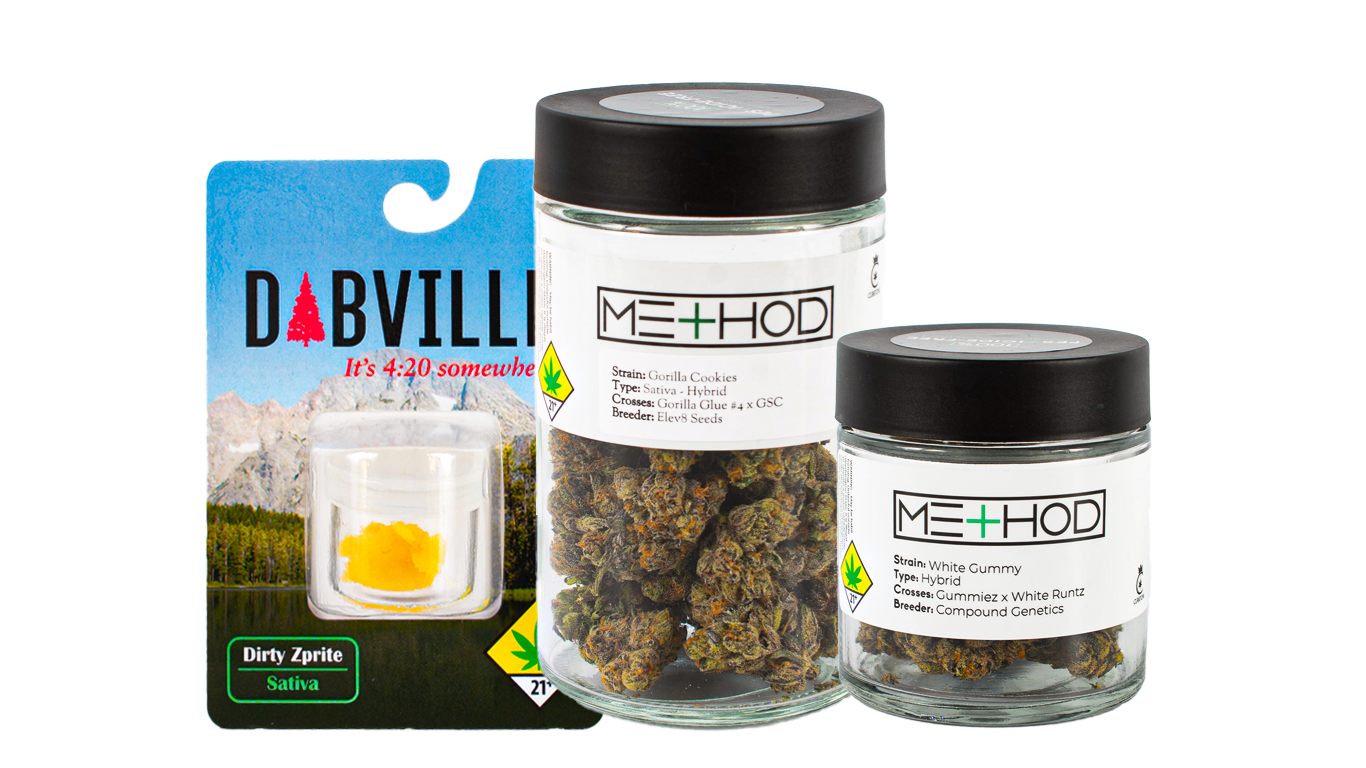
new rosin from CONSTELLATION – PACIFIC & PINE – METHOD





HIGH END UPDATES
Recieve Product Updates, Store Deals and more!
Weekly Deals
Try Something New Every Day!




Popular Brands
Tap to see products!
Daily Menu Updates
Adding Products Every Day!


Find US
Tap the map for directions!
UPDATES + EVENTS + NEW DROPS
Check back for frequent updates!
Black Friday 2024 Deals at High End Cannabis!
Deals Valid 11/29-11/31 or while supplies last.
SHOP OUR DEALS WITH THE LINK BELOW!
Viewable PDF Menu Below

The DEA’s Cannabis Rescheduling Hearing: A Setback for Reform in 2024
The Drug Enforcement Administration (DEA) has introduced yet another delay in its consideration of rescheduling cannabis, pushing any substantive movement into 2025. This development has sparked disappointment among advocates, patients, and industry stakeholders who were hoping for a resolution this year. The proposed reclassification of cannabis from Schedule I to Schedule III under the Controlled Substances Act (CSA) was seen as a crucial step toward acknowledging its medical value and reducing restrictions on research and industry operations. However, the agency’s handling of procedural matters has left reform in limbo yet again.
The Context: Rescheduling Proposal
In March 2024, the Department of Justice recommended rescheduling cannabis to Schedule III following a scientific review by the Department of Health and Human Services (HHS). This change would represent a significant shift from the current Schedule I status, which equates cannabis with substances like heroin, deemed to have no accepted medical use and a high potential for abuse. Moving cannabis to Schedule III would acknowledge its medical utility and ease certain federal restrictions, such as those impacting tax deductions for cannabis businesses under IRS Code 280E.
Delays and Bureaucratic Challenges
The DEA had scheduled a hearing for December 2024 to gather expert input on the proposed rescheduling. However, procedural issues arose when the agency failed to adequately prepare its witness list, prompting a DEA administrative law judge to postpone the testimony phase until early 2025. This delay effectively pushes any final decision into the next presidential administration, raising uncertainty about whether the current momentum for reform will continue.
Critics argue that the DEA’s actions reflect ongoing skepticism and reluctance to address cannabis reform meaningfully. By introducing procedural hurdles and postponing substantive hearings, the agency has prolonged a process that many believe should have been expedited, especially given the widespread support for rescheduling across the scientific and medical communities.

Implications for the Cannabis Industry and Patients
The delay impacts not only the burgeoning cannabis industry but also patients relying on medical cannabis. While rescheduling would not legalize cannabis federally, it could pave the way for enhanced research opportunities, improved access, and reduced regulatory burdens for businesses. Additionally, moving cannabis to Schedule III would symbolize progress in destigmatizing its use for medical and therapeutic purposes.
However, opponents of rescheduling caution that it could introduce new regulatory complexities without fully addressing the systemic issues caused by federal prohibition. For instance, the reclassification would still subject cannabis to certain criminal prohibitions and international treaty obligations, leaving gaps in federal and state policy alignment.
What’s Next?
The rescheduling debate will continue into 2025, with the DEA’s next steps likely influenced by the incoming administration. Meanwhile, advocates are urging the agency to prioritize scientific findings and public health over bureaucratic inertia. Stakeholders are encouraged to participate in the ongoing public discourse, emphasizing the need for policies that reflect modern understanding of cannabis and its benefits.
For now, the cannabis community must navigate this uncertain landscape while advocating for comprehensive reform that extends beyond rescheduling to address federal legalization and decriminalization.

Cannabis in 2024: A Turning Point for Federal Policy
The cannabis industry is at a pivotal moment as the U.S. approaches a significant decision: rescheduling cannabis under federal law. This could reshape everything from research accessibility to market dynamics and legal implications.
What’s Happening?
The DEA’s public comment period on reclassifying cannabis from Schedule I to Schedule III under the Controlled Substances Act is set to end soon. This change would acknowledge cannabis’s medical potential, reduce restrictions, and facilitate research. Over 37,000 public comments have been submitted, with most supporting the rescheduling.
Why It Matters
Currently classified as Schedule I, cannabis is considered alongside substances like heroin, with no accepted medical use. Moving to Schedule III would recognize its therapeutic value, easing regulations for medical research and possibly reducing penalties.
Impacts on the Cannabis Industry
- Increased Research Opportunities: Schedule III status allows more extensive clinical studies, opening doors for innovations in medical treatments.
- Business Benefits: Reduced tax burdens under IRS Code 280E, which limits deductions for Schedule I businesses, could boost profitability.
- Market Growth: With federal acknowledgment, investors may see reduced risk, encouraging growth in the sector.

Public Sentiment
The rescheduling debate reflects broader societal shifts. Supporters argue it’s time to align federal law with state-level legalization trends and public opinion, which strongly favors decriminalization or legalization.
What’s Next?
After the comment period closes, the DEA will review submissions, potentially making a decision by September. However, full descheduling — removing cannabis from the CSA altogether — remains a distant goal for many advocates.
Stay tuned to High End Marketplace for updates on this evolving story and how it impacts the future of cannabis.

Cannabis Dispensaries: More Than Just Retail
Today’s cannabis dispensaries are a far cry from the simple storefronts of the past. They’ve evolved into dynamic spaces that focus on education, wellness, and creating a welcoming experience for everyone—from curious first-timers to seasoned cannabis enthusiasts. Whether you’re shopping for medical relief, recreational enjoyment, or something in between, dispensaries are redefining what it means to buy cannabis.
A Focus on Education
For many people, a dispensary visit is their first real interaction with the cannabis world. That’s why education has become such a big part of the experience. Most dispensaries employ knowledgeable budtenders who are there to help you navigate the wide variety of products and options available.
These staff members go beyond just recommending products—they’re educators. They can explain:
- Different product types: Whether it’s flower, concentrates, edibles, or tinctures, they’ll help you understand the pros and cons of each.
- Cannabinoid content: They’ll break down THC, CBD, and other cannabinoids so you can choose a product that matches your needs.
- Terpenes and effects: Ever wonder why some cannabis smells fruity while other strains are earthy? That’s thanks to terpenes, which can also influence the effects of the product.
Many dispensaries also take education a step further by hosting workshops, product demos, and even one-on-one consultations for customers who want to learn more.

Creating a Unique Shopping Experience
Modern cannabis dispensaries are designed to be more than just places to buy products—they’re places you want to spend time in. Thoughtfully designed interiors, friendly staff, and a relaxed atmosphere make them approachable and welcoming.
The personalized service is what really sets dispensaries apart. Budtenders take the time to listen to what you’re looking for, whether it’s help sleeping, easing pain, or just having a good time. They tailor their recommendations to suit your preferences, ensuring you leave with exactly what you need.
Supporting Wellness and Community
Dispensaries aren’t just focused on selling cannabis—they’re also invested in wellness. Medical patients often rely on dispensaries for access to products designed to manage conditions like chronic pain, anxiety, and insomnia.
Many dispensaries are also deeply rooted in their communities. They host outreach events, support local charities, and partner with nearby businesses to create positive connections.
The Future of Cannabis Dispensaries
Cannabis dispensaries are quickly becoming more than retail spaces. They’re trusted resources and community hubs, helping to normalize cannabis while providing education, care, and top-notch service.
Whether you’re new to cannabis or know your favorite strains by heart, your local dispensary offers much more than just products. Stop by and see how today’s dispensaries are changing the cannabis landscape for the better.

Smarter Cannabis Cultivation: Driving Innovation This Week
High-tech cultivation is revolutionizing the cannabis industry, and this week highlights advancements that are transforming how cannabis is grown. By integrating cutting-edge technology like artificial intelligence (AI) and precision farming, cultivators are achieving greater efficiency, sustainability, and product consistency.
AI-powered monitoring systems are now essential tools for cannabis growers. These systems analyze environmental factors such as temperature, humidity, and light intensity in real time, providing actionable insights to optimize growing conditions. For indoor cultivators, this means a more consistent crop yield, reduced waste, and lower energy consumption. Growers can fine-tune every aspect of the growth cycle, ensuring that each plant reaches its full potential.
Precision farming also plays a significant role in improving sustainability. Automated irrigation and nutrient delivery systems minimize water use and prevent overfeeding, which can lead to resource waste or damage to the plants. These innovations allow for a more environmentally friendly approach to cultivation, an increasingly important priority in today’s cannabis industry.

Additionally, advancements in grow light technology are enhancing efficiency. LED lighting systems tailored to cannabis plants deliver the exact light spectrum needed for optimal growth while consuming significantly less energy than traditional lighting. This not only reduces costs for growers but also supports the industry’s push toward greener practices.
These innovations are crucial as the cannabis market continues to expand, requiring higher-quality products to meet consumer demand. By adopting smarter cultivation techniques, growers are setting new standards for excellence and sustainability, ensuring the long-term success of the industry.
This week’s spotlight on smarter cannabis cultivation highlights the industry’s ongoing commitment to leveraging technology for better products and a healthier planet.

First Legal Cannabis Shipment Reaches Nantucket by Water
Massachusetts cannabis distribution saw a groundbreaking change this week with the arrival of its first legal marijuana shipment to Nantucket by water. This marks a historic development for The Green Lady, the island’s only cannabis dispensary, which now has an alternative to local cultivation that previously limited product availability. Due to federal regulations that restrict cannabis transportation by air and water across state lines, accessing legal cannabis products has been difficult for island communities like Nantucket, which are isolated from the mainland.
This breakthrough was enabled by careful navigation of both state and federal guidelines, ultimately allowing cannabis shipments by water without violating the law. Nantucket’s geographical and legal challenges are unique: while Massachusetts state law permits cannabis, federal laws that govern air and sea transportation prohibit transporting it across federal waters. To meet local demand, The Green Lady had to resort to local cultivation—an approach that is resource-intensive and limits product variety and availability. By clearing regulatory hurdles for maritime cannabis transport, this recent shipment opens the door for a more sustainable and reliable supply chain for the island’s cannabis consumers.
As demand for cannabis grows in Massachusetts, logistical innovations like this could set a precedent for other remote or restricted areas. Communities in similar situations are watching closely, as water-based cannabis transport could bring improved accessibility for patients and recreational users alike. This development may also encourage industry-wide discussions around cannabis distribution for isolated regions, particularly as legalization continues to expand across states with unique geographical limitations.

The move is significant for the Massachusetts cannabis market, highlighting how regulatory adaptations can enhance accessibility and expand business opportunities, ultimately helping meet the growing demand for cannabis. This model may inspire similar initiatives elsewhere, further integrating cannabis into local economies while ensuring compliance with federal laws

Terpenes: Transforming the Cannabis Experience
The cannabis world is changing fast, and terpenes are at the center of this shift. Terpenes are natural compounds found in plants, giving cannabis its unique smells and flavors. But terpenes do more than add aroma; they also affect how cannabis makes us feel. Now, many cannabis users are turning to terpene-rich products to customize their experience.
What Are Terpenes and Why Do They Matter?
Most people know that THC and CBD are key parts of cannabis, but terpenes play an important role too. Different terpenes have different effects. For example, limonene, which smells like citrus, can boost mood. Myrcene, which has a musky scent, is known for promoting calmness. Knowing the terpene profile of a strain can help users choose products that match their needs. This approach goes beyond the basic choice of indica or sativa strains and offers a more tailored experience.
The Rise of Terpene-Focused Cannabis
With more people looking for specific effects, cannabis brands are focusing on terpene-rich products. Some strains are high in caryophyllene, a terpene known for its anti-inflammatory benefits, making them helpful for people with pain. Others are rich in linalool, which is known for reducing stress. This focus on terpenes is allowing both medical and recreational users to find cannabis that suits them better.
Educating Consumers on Terpenes
Education about terpenes is essential as the industry grows. Many dispensaries now share terpene information on product labels, helping customers make smarter choices. Some dispensaries even offer classes or guides on how terpenes work. This helps people feel confident when picking a strain, knowing it’s suited to their desired effect.

Terpenes and the Future of Cannabis
As people learn more about terpenes, they can enjoy a more personalized cannabis experience. The future of cannabis will likely revolve around these compounds, with more products created for specific effects. Terpenes are making it easier for people to get exactly what they want from cannabis—whether for relaxation, energy, or relief.
If you’re curious to try terpene-focused strains, visit High End Marketplace to explore our menu. We offer a range of products tailored to various needs and effects, with terpene profiles and guidance to help you find the perfect match.
YOUR PREFERRED MARIJUANA DISPENSARY
At HEMP we proudly serve both recreational and medical customers. In 2016, High End Market Place was the first cannabis dispensary to be licensed under the new WA State Department of Health medical marijuana program. Since then, we have registered thousands of patients, and have given them access to the highest quality, most ethically sourced cannabis products in the market. Our store is truly Vancouver’s one stop for the best Cannabis Dispensary.