
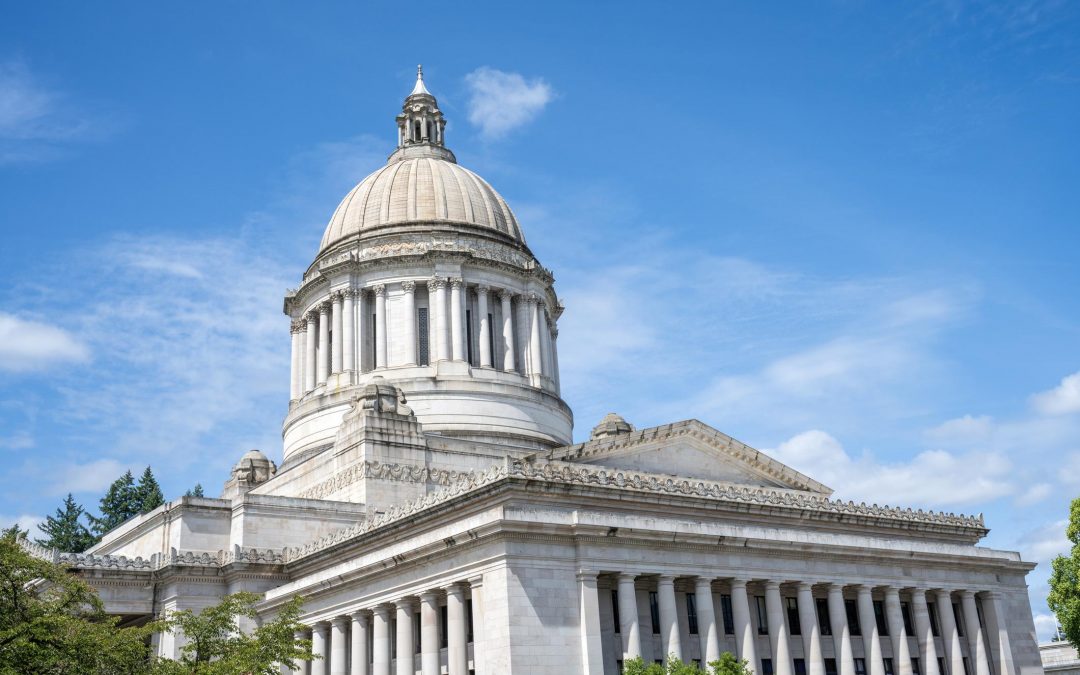
As Washington state’s 2026 legislative session continues, discussion around cannabis tax policy has drawn attention from business owners, policy advocates, and consumers—particularly those connected to licensed dispensary operations. Multiple bills have been introduced that intersect with tax policy, reporting requirements, and regulatory compliance, even as lawmakers debate how best to support the long-term stability of the legal cannabis market.
What Is SB 6348?
Senate Bill 6348 was introduced during the 2025–2026 legislative session and focuses on tax compliance and voluntary disclosure programs. The bill seeks to formally establish a voluntary tax disclosure program and authorize a temporary tax amnesty period for certain taxpayers beginning in 2027.
Under the proposal, eligible businesses that voluntarily disclose previously unreported tax obligations could receive relief from penalties and interest, provided they meet program requirements and pay outstanding balances within specified timelines. The program would be administered by the Washington State Department of Revenue.
Importantly, SB 6348 does not directly change the cannabis excise tax rate or increase retail cannabis taxes. Instead, it is designed to improve compliance and encourage businesses to resolve past tax issues without facing severe financial penalties.
For cannabis dispensaries and related businesses, this bill could provide a valuable opportunity to correct reporting errors and strengthen long-term compliance practices.
Broader Cannabis Tax Debate in Washington
While SB 6348 does not propose a direct tax increase, it is part of a broader legislative conversation about how cannabis is taxed in Washington.
Currently, Washington imposes a 37 percent excise tax on cannabis products at the retail level. This rate has remained in place since the passage of Initiative 502 in 2012. When combined with standard sales tax and regulatory fees, Washington maintains one of the highest cannabis tax burdens in the country.
Other proposals, such as Senate Bill 6328, have explored restructuring the cannabis excise tax system by shifting from a percentage-based model to a unit-based model. Under this approach, taxes would be assessed based on product weight or THC content rather than retail price.
Supporters argue that this could make tax collection more predictable and equitable. Critics, including some dispensary owners, have expressed concern that such changes could increase operational complexity and negatively affect smaller businesses.
Although these proposals have not yet resulted in major changes, they demonstrate ongoing interest in revisiting how cannabis taxation works in Washington.
Why Tax Policy Matters for Dispensaries
For cannabis dispensary owners, tax policy directly affects nearly every aspect of business operations. From pricing and inventory management to customer retention and profitability, taxes play a major role in shaping market conditions.
High excise taxes can lead to higher retail prices, which may reduce consumer spending or push some buyers toward unregulated sources. This creates additional pressure on licensed dispensaries to remain competitive while staying compliant.
Tax structure changes can also influence which product categories perform best. For example, unit-based taxes may affect flower, concentrates, and edibles differently depending on how rates are set.
Additionally, compliance programs like the one proposed in SB 6348 can help businesses manage financial risk by offering clear pathways to resolve past issues. However, they do not reduce ongoing tax obligations, making continued financial planning essential.
Stability and predictability in tax policy are especially important for dispensaries making long-term investments in staffing, technology, and retail locations.
What’s Next for Washington’s Cannabis Industry
As of 2026, SB 6348 remains part of Washington’s broader effort to modernize tax administration and encourage voluntary compliance. If enacted, its provisions would take effect in 2027.
At the same time, lawmakers continue to review potential changes to cannabis excise tax structures and regulatory frameworks. These discussions reflect a balancing act between generating public revenue, supporting legal businesses, and maintaining competitive pricing for consumers.
For dispensary operators and cannabis consumers alike, staying informed about legislative developments is essential. Tax policy will remain one of the most influential factors shaping the future of Washington’s legal cannabis market.
With continued debate and evolving regulations, 2026 represents a transitional period for cannabis businesses navigating compliance, growth, and long-term sustainability.
Sources
Washington State Legislature – SB 6348
https://lawfilesext.leg.wa.gov/biennium/2025-26/Pdf/Bills/Senate%20Bills/6348.pdf
Washington State Initiative 502
https://en.wikipedia.org/wiki/2012_Washington_Initiative_502
Washington State Marijuana Excise Tax Overview
https://fiscal.wa.gov/OSTDocs/Marijuana%20Excise%20Tax081.pdf
BillTrack50 – SB 6328
https://www.billtrack50.com/billdetail/1956401
The Columbian – Washington Cannabis Industry Coverage
https://www.columbian.com